HaMiffal · Exhibition
Exhibition on display
October 2026 — April 2027
The Culture Hub at Baycrest, Toronto
Artists
Credits
With the support of



Jerusalem is shaped by layers of cultural, social, and historical processes that have settled over time. Some are visible, while others remain hidden beneath the surface. Beyond familiar images and dominant narratives, the city is composed of human encounters, memories, and the persistence of everyday life. Jerusalem: Unfolding Layers approaches the city not as a fixed symbol, but as a continuously evolving reality, inviting viewers to trace connections between past and present, and between the natural and the man-made.
HaMiffal (The Factory) is a unique cultural center in Jerusalem, bringing together art and multidisciplinary creative practices while fostering connections between diverse communities. It resides in a historic building constructed in the late 19th century. Alongside its gallery, HaMiffal’s spaces are home to countless site-specific artworks created by the founding artists’ collective, as well as by numerous other artists and makers. These works continue to add distinctive layers to the space, transforming HaMiffal into an ongoing artistic creation.
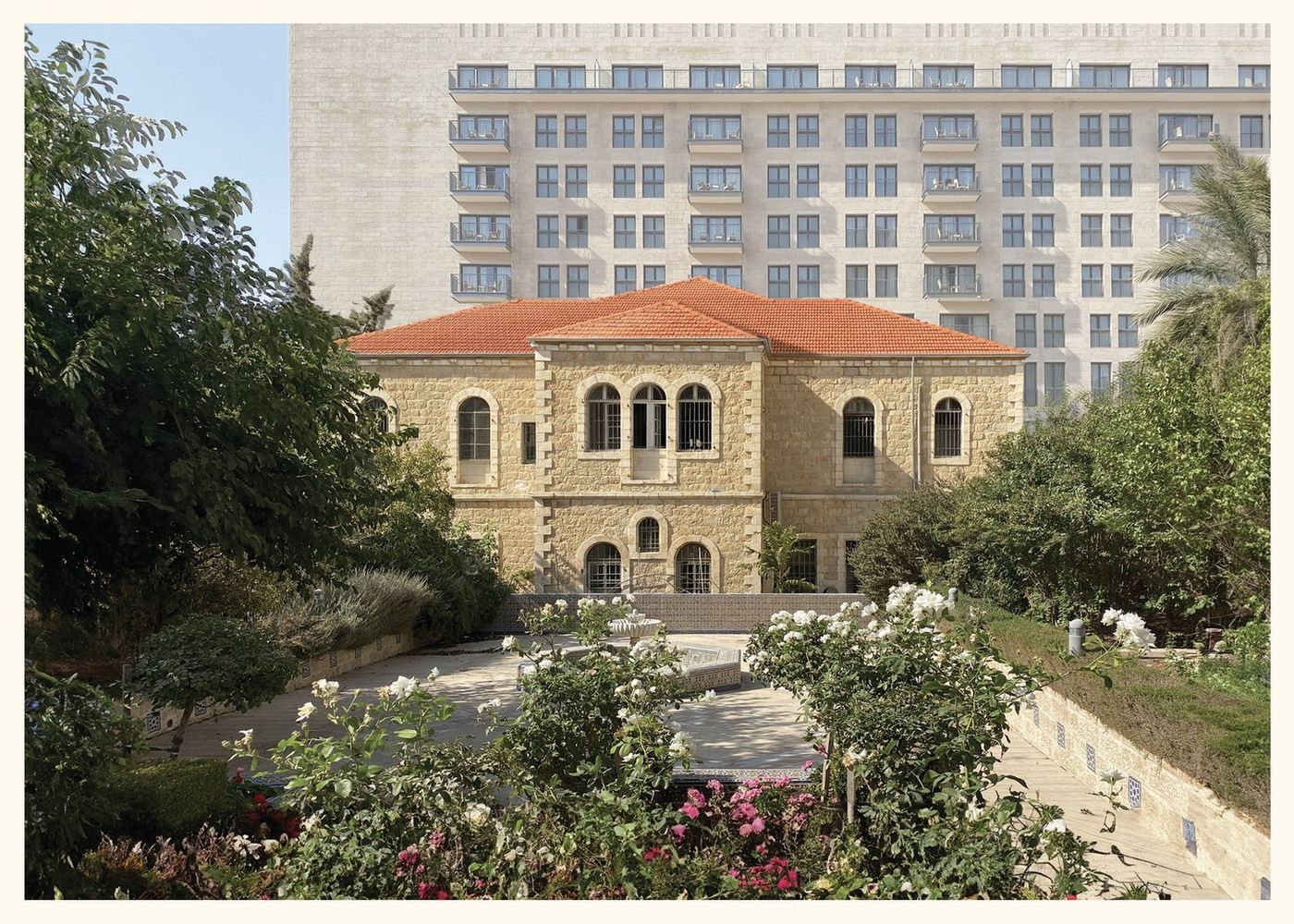
Within the exhibition, the structure of HaMiffal is both hosted and hosting, serving at once as the setting for the works and as a work in its own right. It becomes the point of departure, offering a close view of the building and revealing its many layers. At the entrance, visitors encounter a grid of images taken at HaMiffal, offering a glimpse into its constantly changing environment, shaped by a decade of continuous artistic activity since its founding in 2016. Next to these images, visitors are invited to send a postcard bearing one of the displayed images to Jerusalem via a designated post box. Fragments of HaMiffal’s multilayered walls have been photographed and reproduced at full scale, creating a second skin within the Culture Hub at Baycrest. These transferred surfaces act as spatial samples of HaMiffal’s interior envelope, carrying traces of its material history from Jerusalem into a new architectural context.
The exhibition brings together artists who played a central role in HaMiffal’s founding, along with a younger generation of artists. It is structured around several sections and underlying themes: Wandering, Passages, Surveying the Landscape, and Cabinet of Curiosities. Across the works on view, layers continue to surface—in stone and earth, in the built environment, in the street, in the living human body, in plant life, in the animal world, and in the spiritual realm. The exhibition offers a close look – like the revealing of a secret – at these layers in the present moment, gently uncovering the recesses just beneath the surface.
Jerusalem: Unfolding Layers will be on display until April 2027.
At the entrance
A grid of images taken at HaMiffal offers a glimpse into its constantly changing environment, shaped by a decade of continuous artistic activity since its founding in 2016.
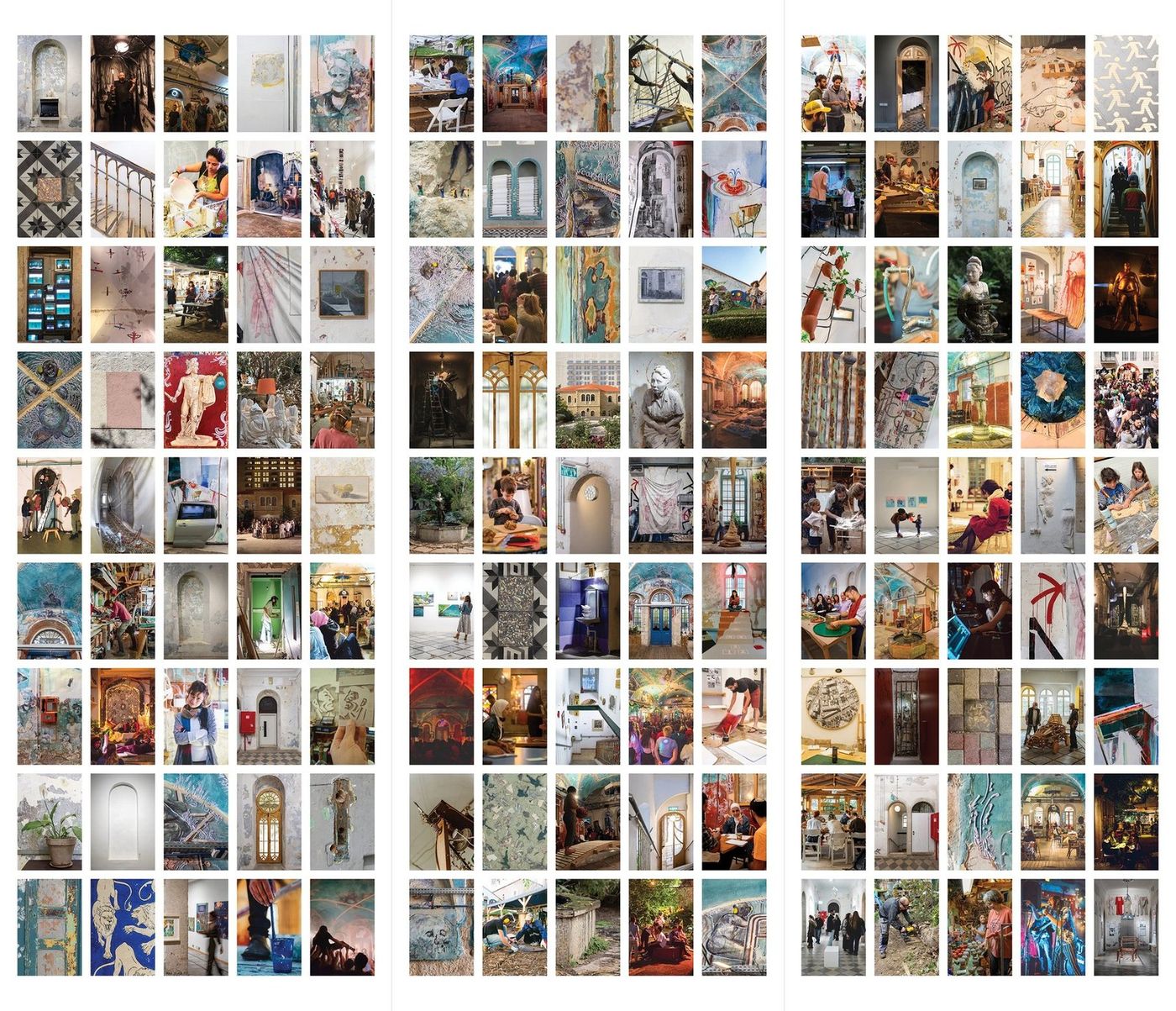
Photographs by
At the entrance
We invite you to write and send a thought for the future, a wish or a heartfelt message to Jerusalem and the people who live there.
Each postcard will be read by a member of the HaMiffal community, who may respond in their own creative way. Please write your mailing address on the card, and Jerusalem might write back.
Theme
Through the works of various artists, shifting perspectives emerge, moving between physical and imagined landscapes.
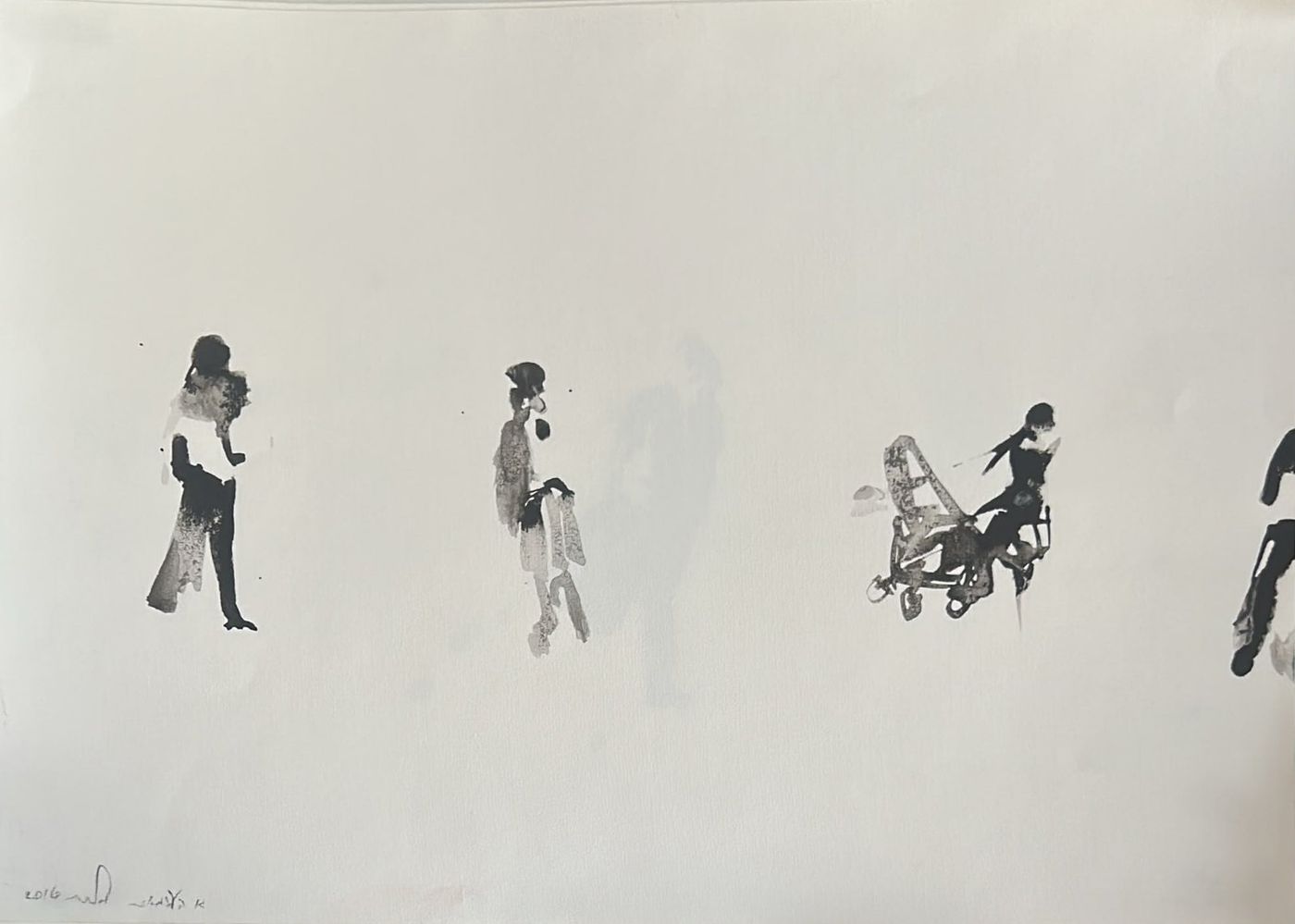
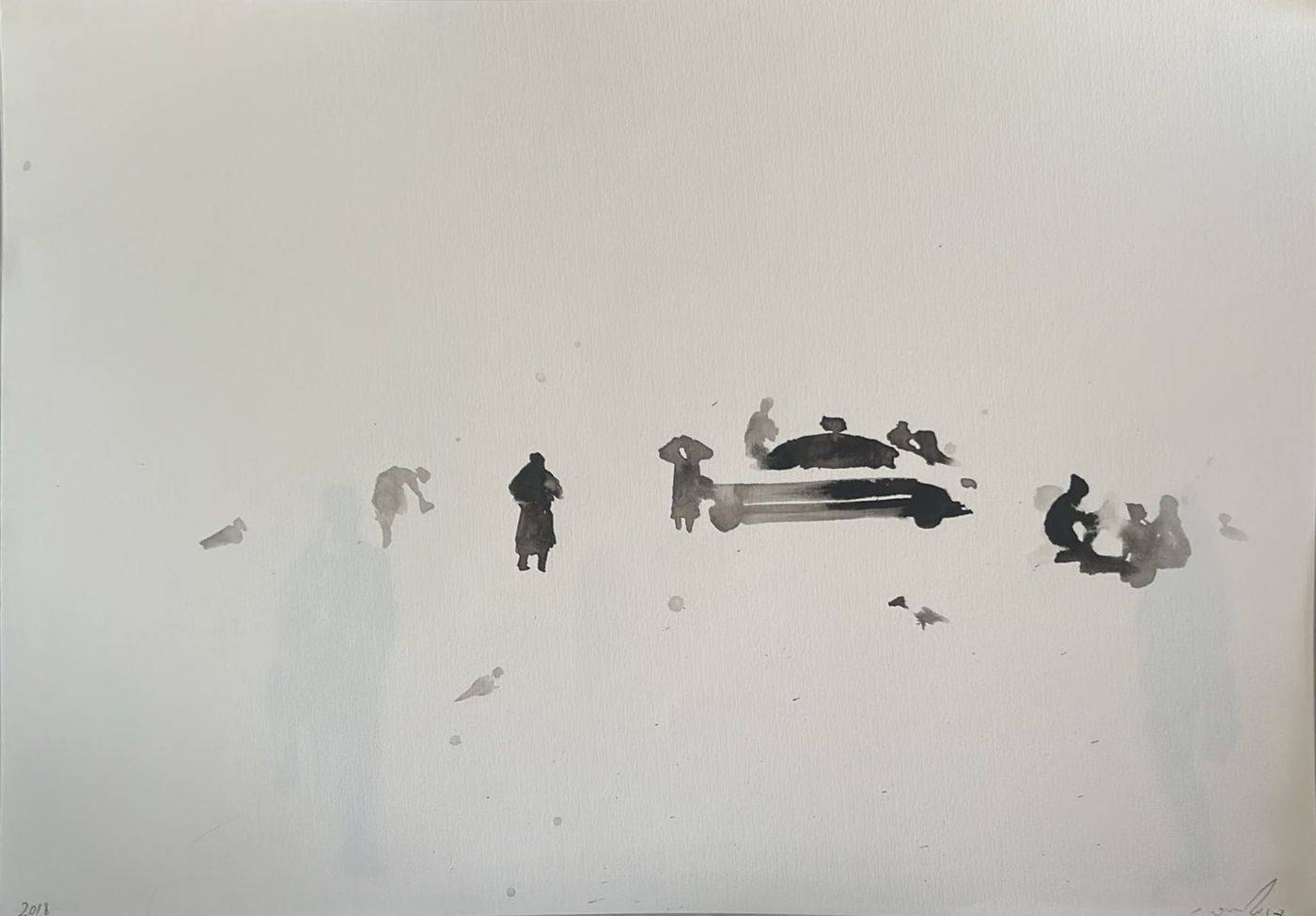
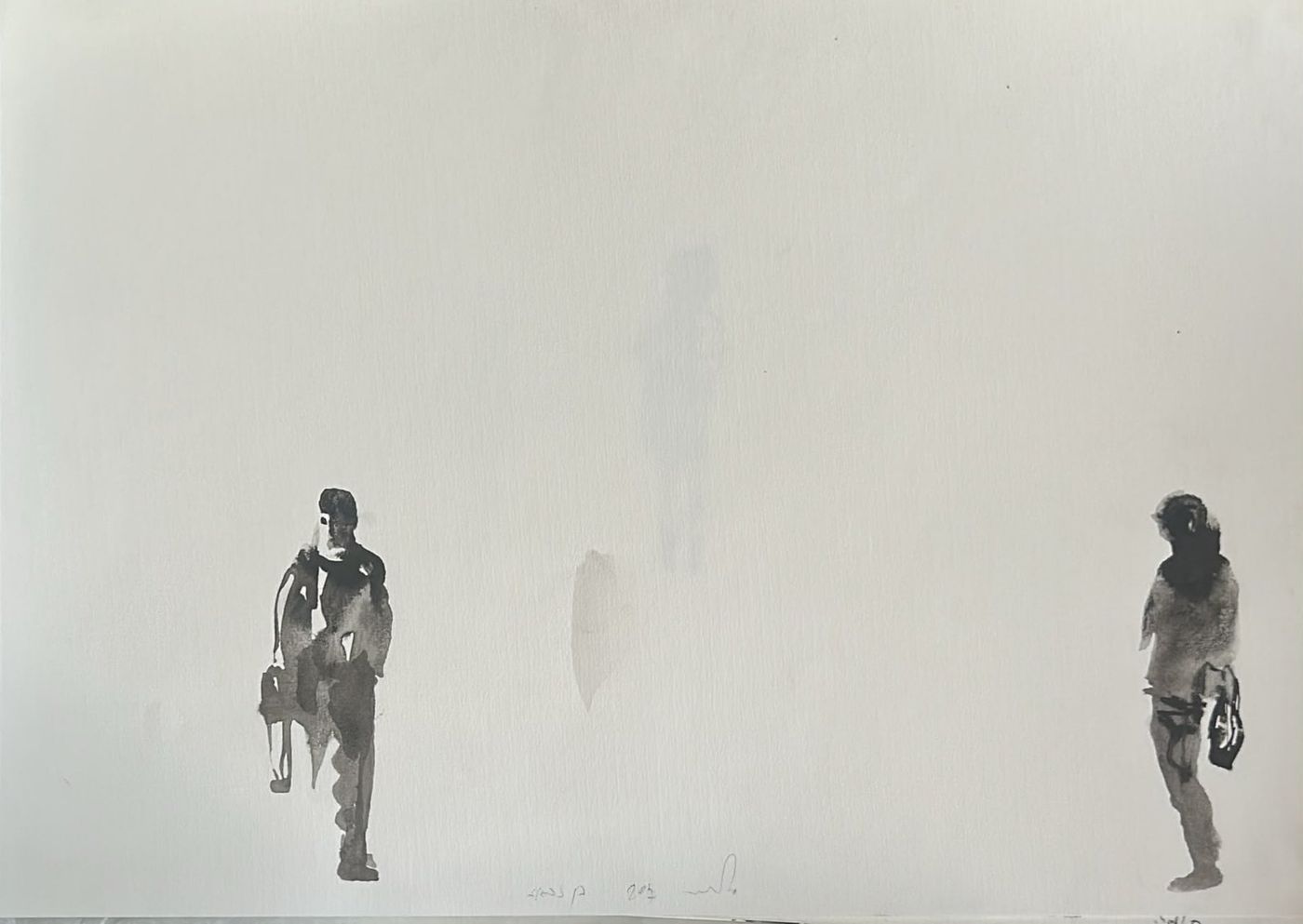
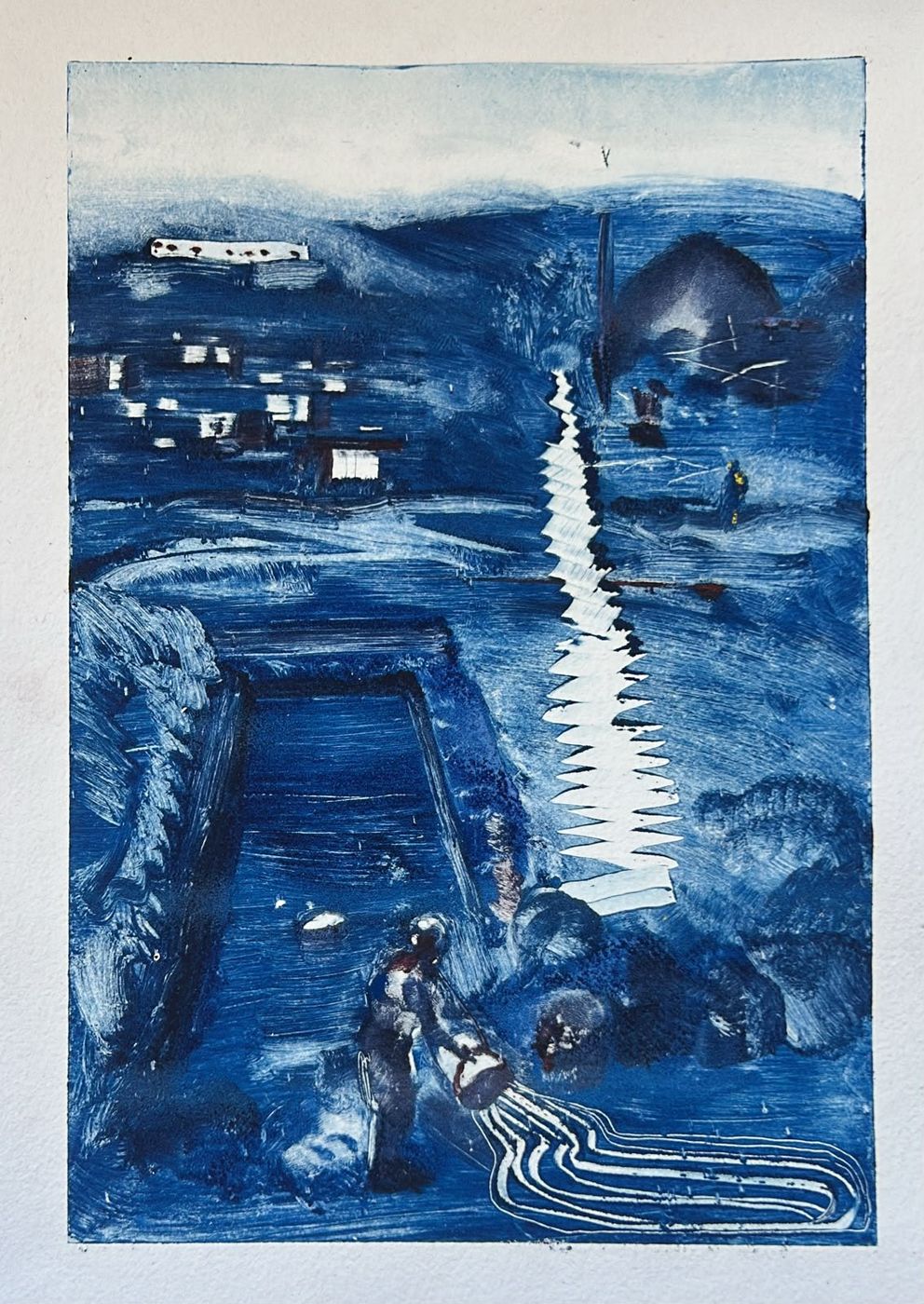
In Meydad Eliyahu’s Wanderings drawing series, human figures inhabit the urban space, constantly passing through and giving way to others. The contours of the landscape take shape through these ever-changing figures. Mazal’s Hashiloach Dream was created based on stories told by the artist’s 100-year-old great-aunt, Mazal, about drawing water from the Shiloach Tunnel to clean the house. The tunnel is an ancient underground water channel carved beneath the City of David in Jerusalem.
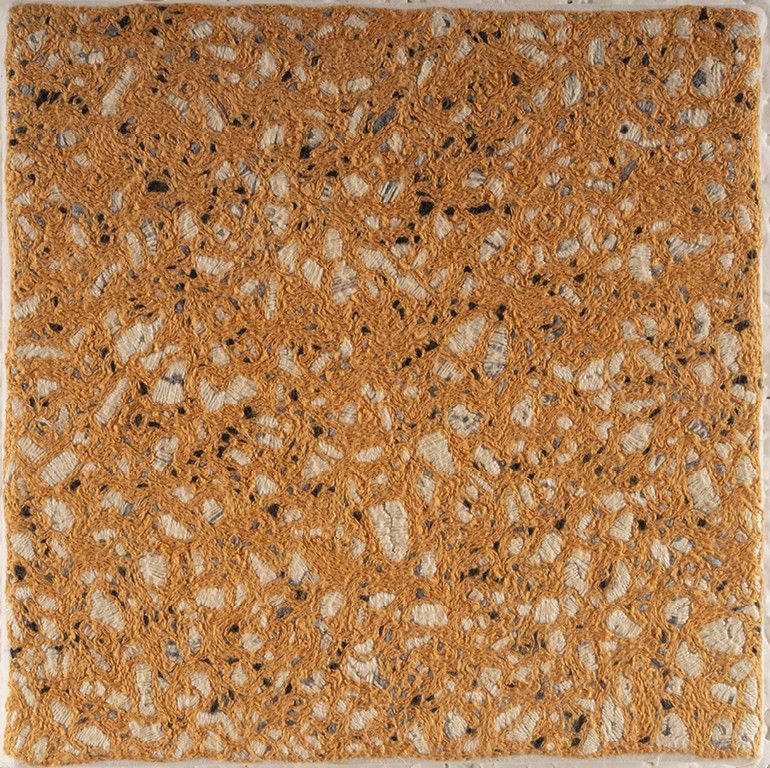
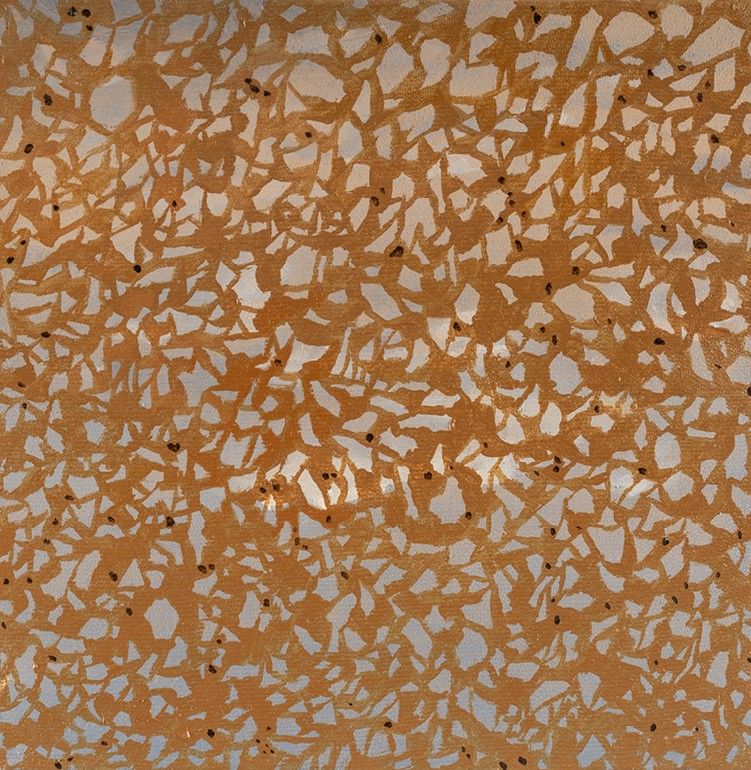
In Yael Oren’s The Artist’s House works, patterns of floor tiles from her house in Jerusalem are recreated through embroidery and oil painting.
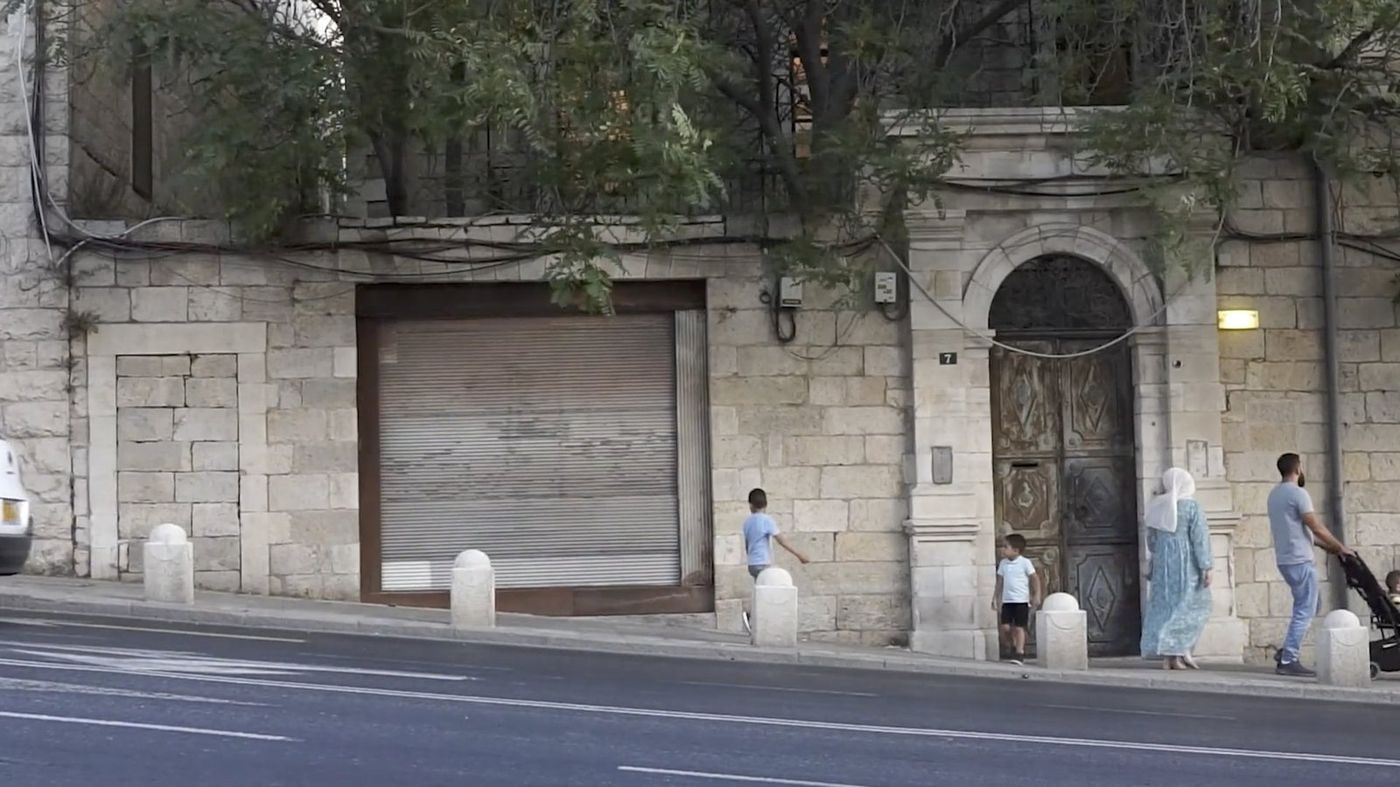
Yarden Colsey’s TRISS (Shutter) is a video documenting an intervention in public space: a sealed shutter rotating in a continuous loop, never revealing the space behind it. The work was situated along the route from Mamilla toward the Old City of Jerusalem, at the seam between East and West Jerusalem.
Theme
The artworks suggest different forms of passages, both physical and spiritual, connected to Jerusalem.
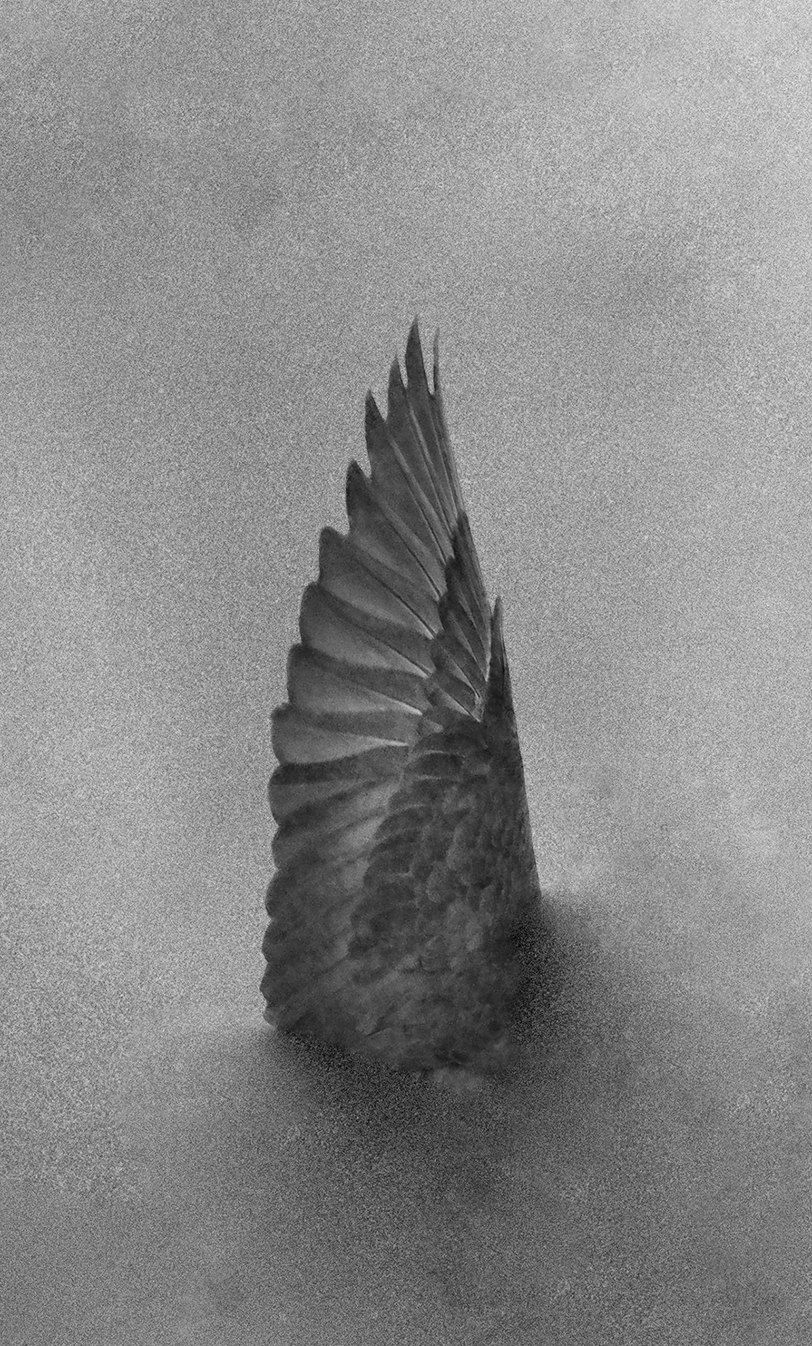
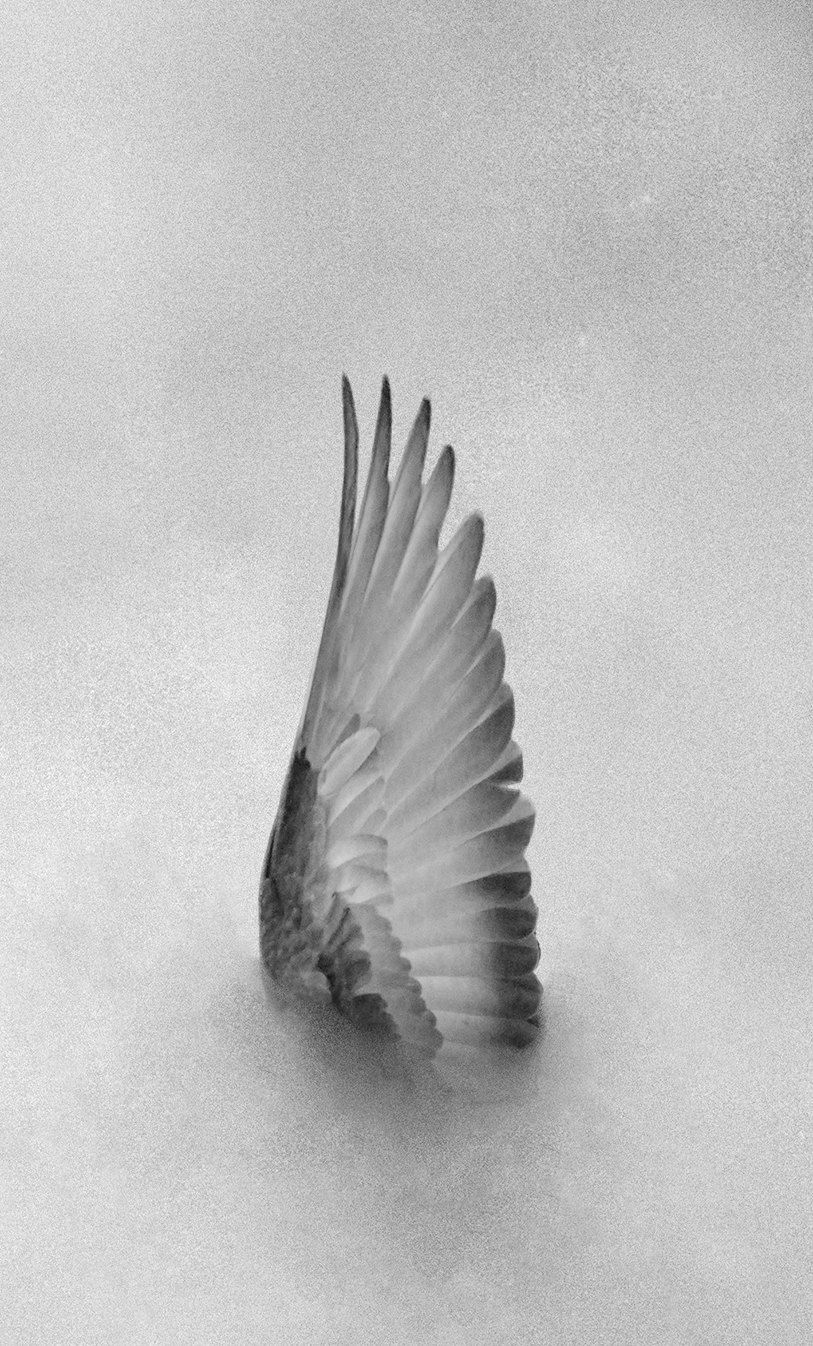
In Ariel Hacohen’s works from the series Monuments, the passage is metaphysical. Homing pigeons were photographed in southern Israel in early 2023 and their wings were transformed through erasure, blurring and isolation into monuments of sorts: architectural structures floating in a void.
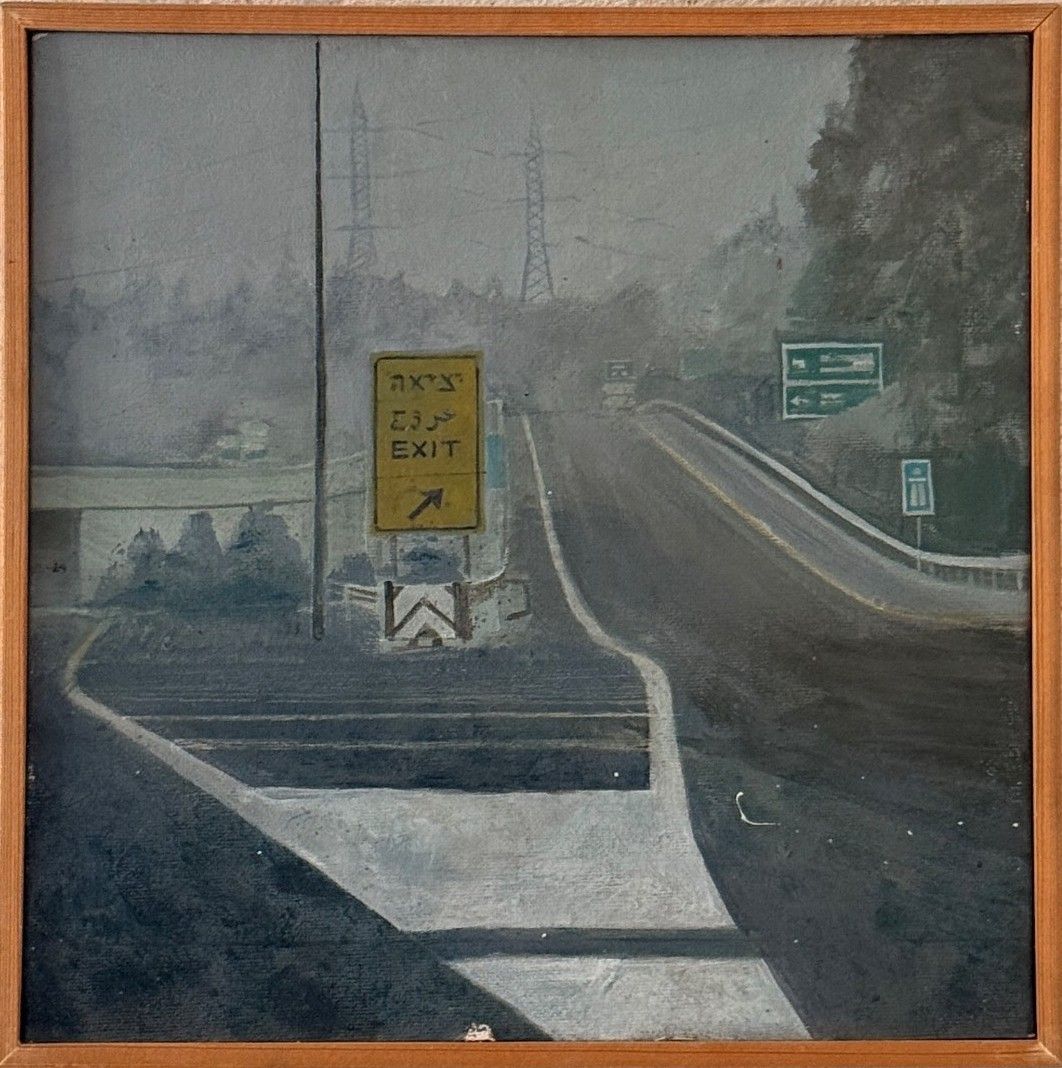
Erin Zofef’s painting Exit (Highway 1, Tel Aviv-Jerusalem) captures a familiar moment of entering or leaving Jerusalem by road. It depicts a view etched into the memory of anyone who regularly travels to the city. In a city defined by its monumental gates, this everyday threshold becomes an informal, unplanned gateway, and a quiet symbol of arrival and departure.
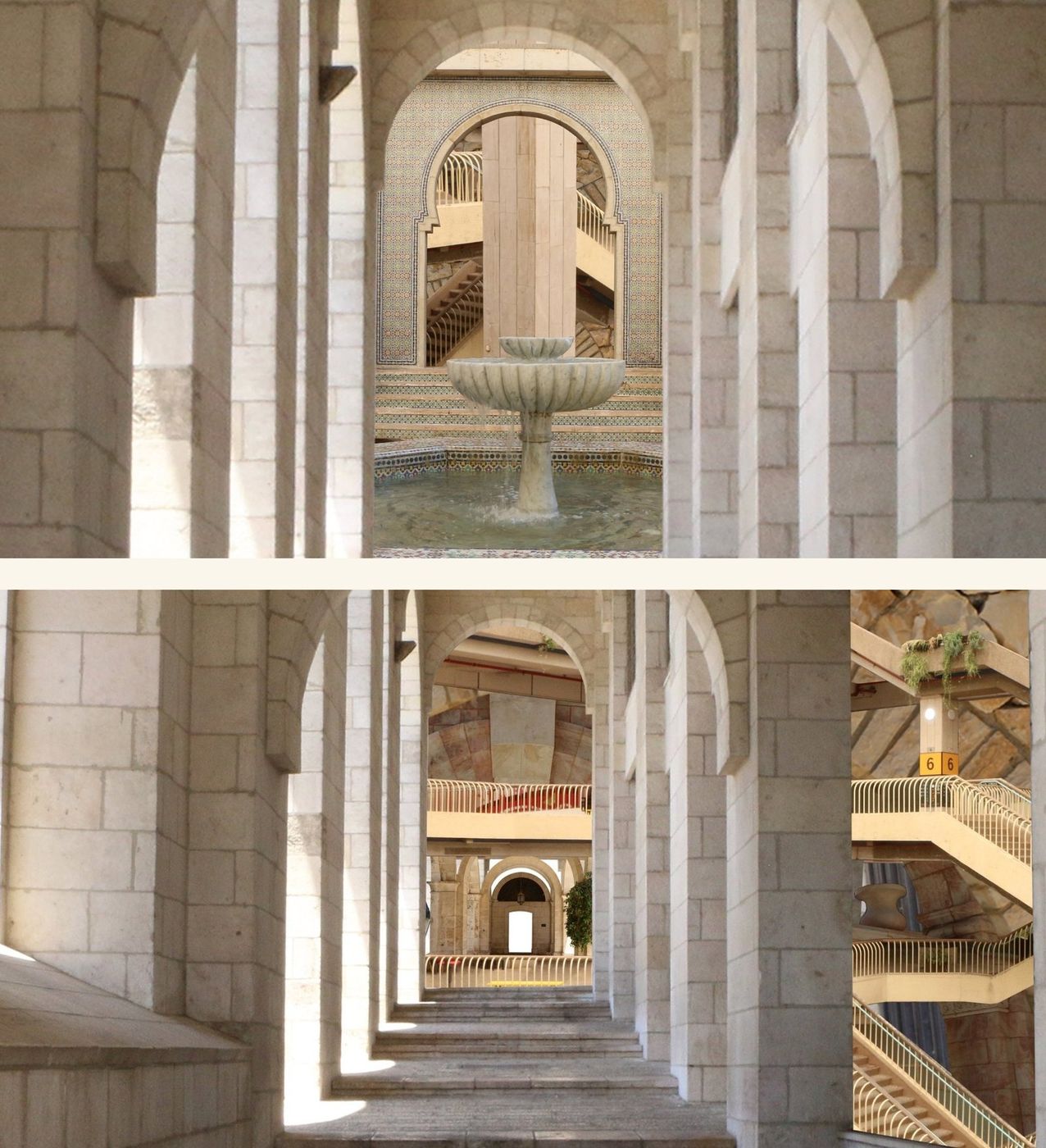
In Hadas Duchan’s diptych, Jerusalem, East-West, the artist merges different parts of the city: gates, built landscapes and iconic sites are layered one above the other. She intertwines fragments from East Jerusalem, the Old City and the center of the new city, creating an imagined urban space that bridges the city’s two ends.
Theme
A landscape can be measured, sampled and documented. Surveying the Landscape deconstructs and reassembles spaces through works that move between measuring and recording the landscape, breaking it into photographic fragments and piecing it back together.
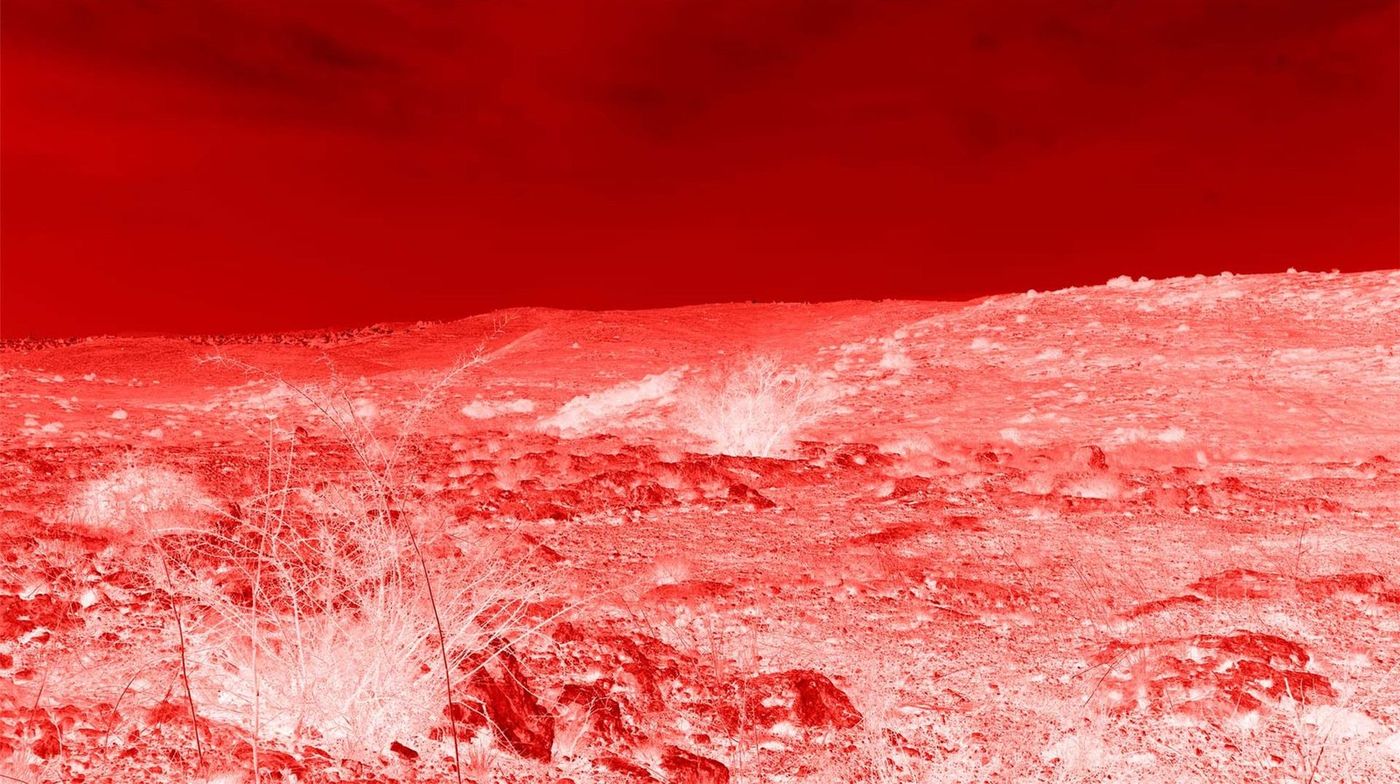
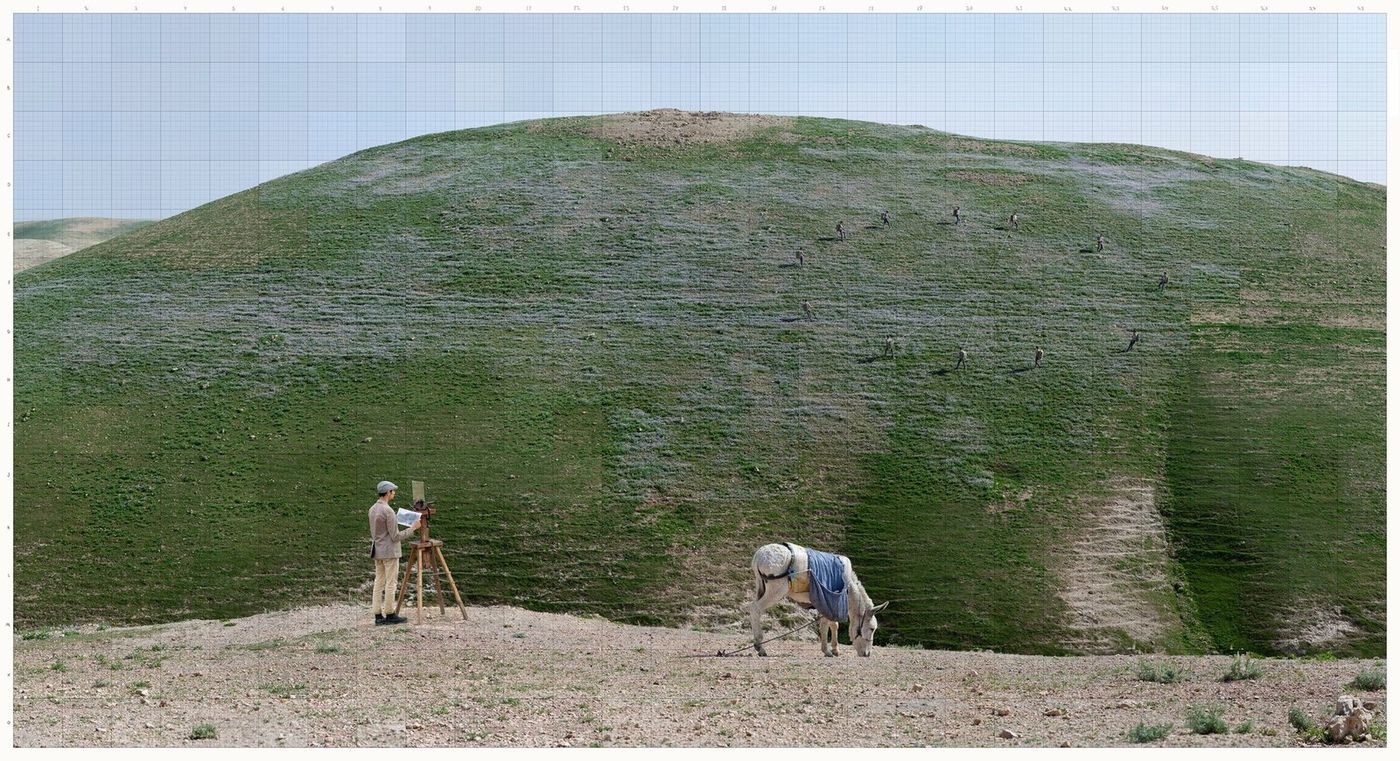
Yuval Yairi’s Surveyor was photographed in the Judean Desert, halfway between Jerusalem and the Dead Sea. It belongs to a broader project of the same name, in which the artist adopts the figure of the surveyor as an alter ego: an observer who moves through the landscape while confronting traumatic chapters from his past.
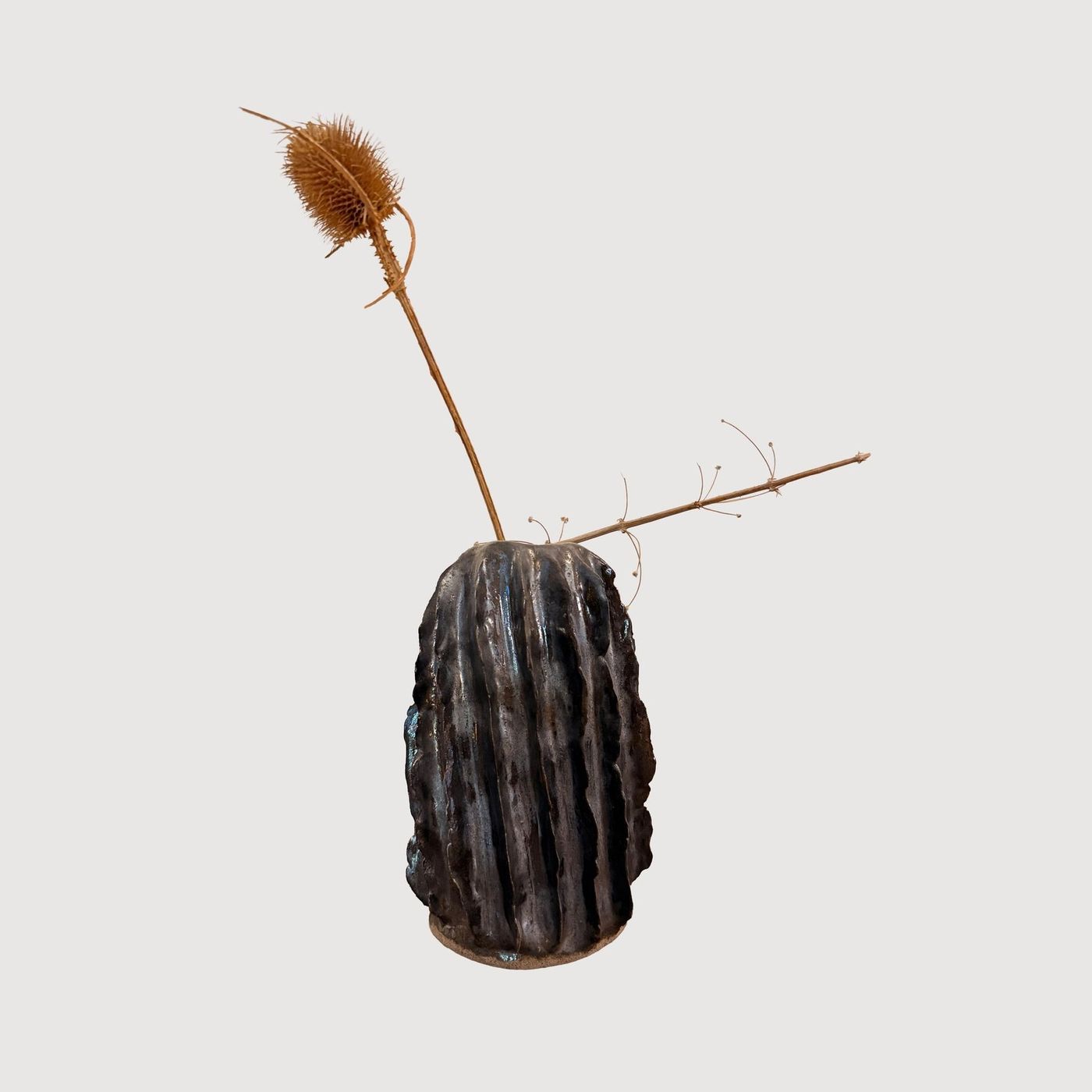
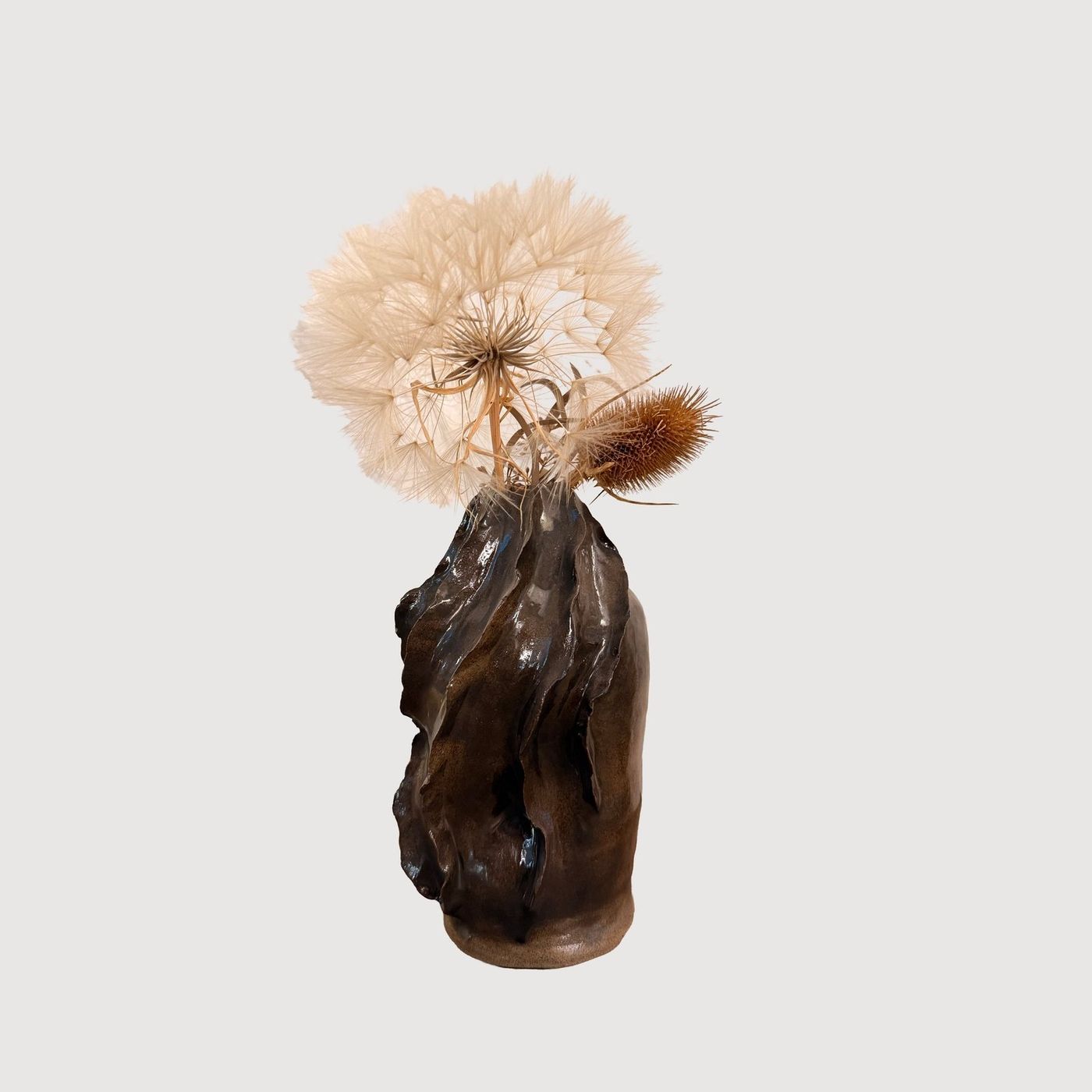
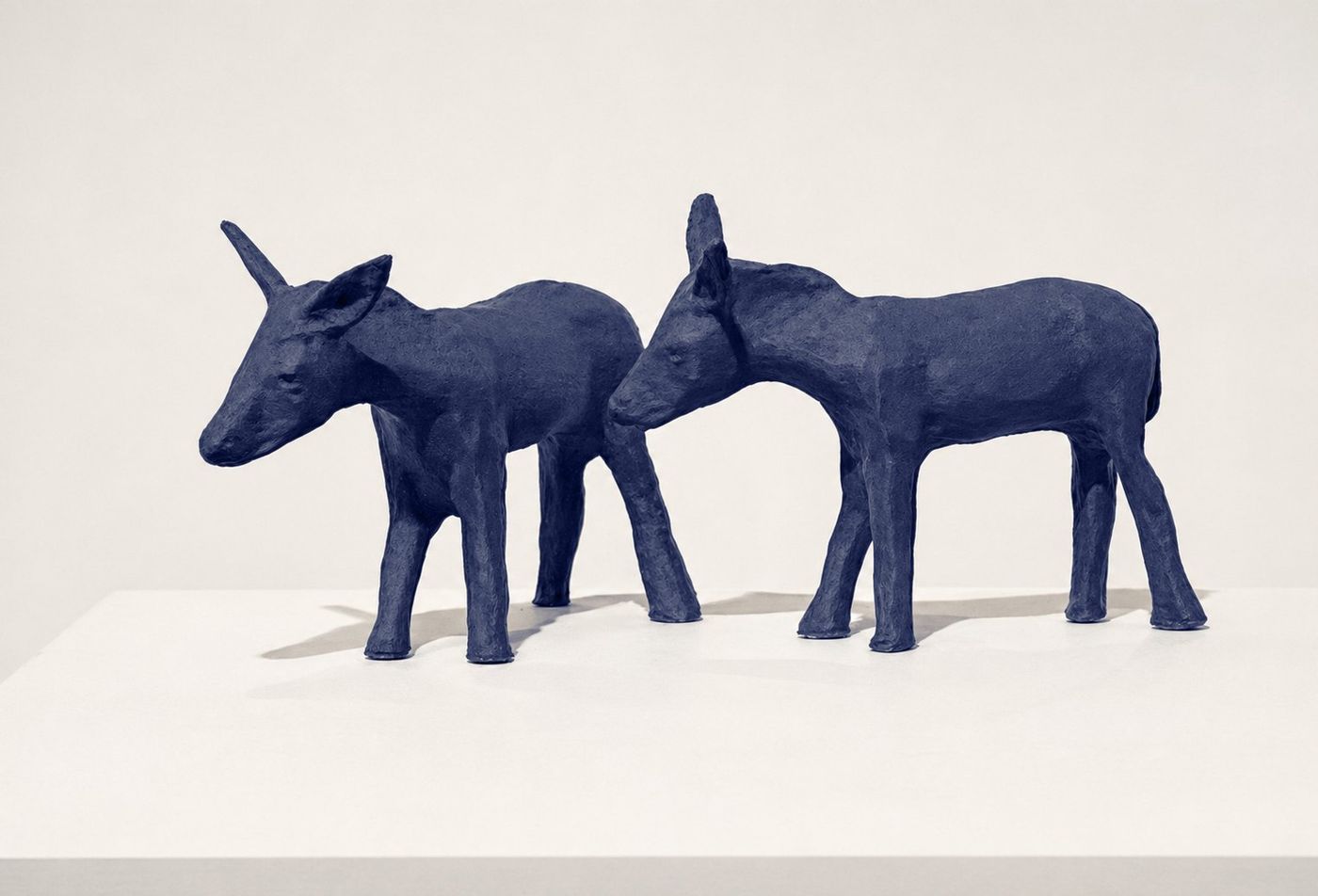
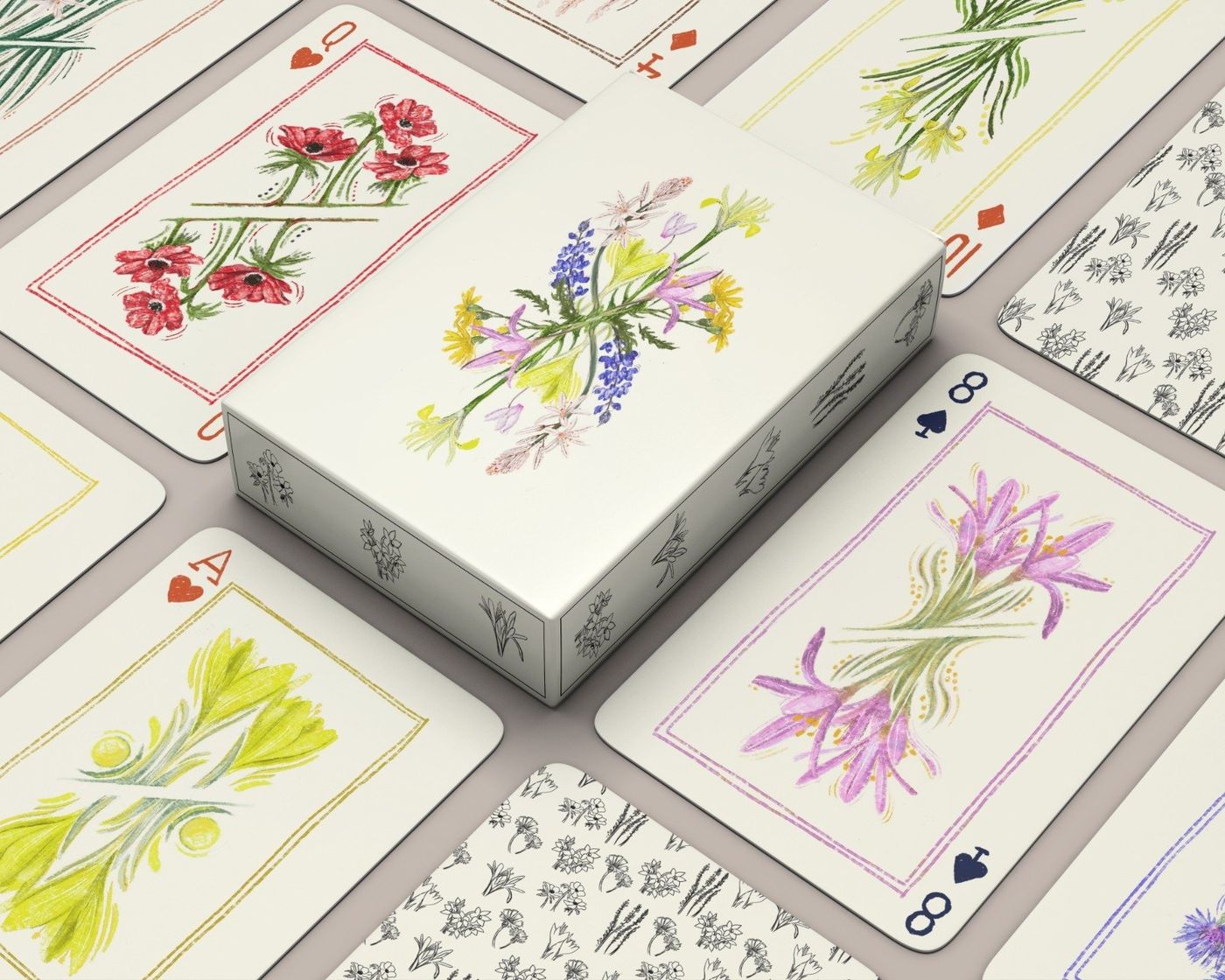
From reading and measuring the terrain, the works turn to sampling it and translating it into distinct objects, each carrying a meaning of its own. Noa Arad Yairi’s two small sculptures, Blue Donkeys, recall a familiar presence in the Middle Eastern landscape, one that bears the weight of both biblical memory and contemporary reality. Alex Kuropatov’s ceramic works take on forms that resemble prickly pear (sabra) cacti or corals. In Jerusalem Wildflowers Cards, Dganit Rodovsky creates a playful, illustrated field guide to local flora.
Theme
The Cabinet of Curiosities focuses on objects isolated from their original surroundings and imbued with new meanings. Both natural and man-made objects acquire a “therapeutic” significance within laboratory-like conditions.
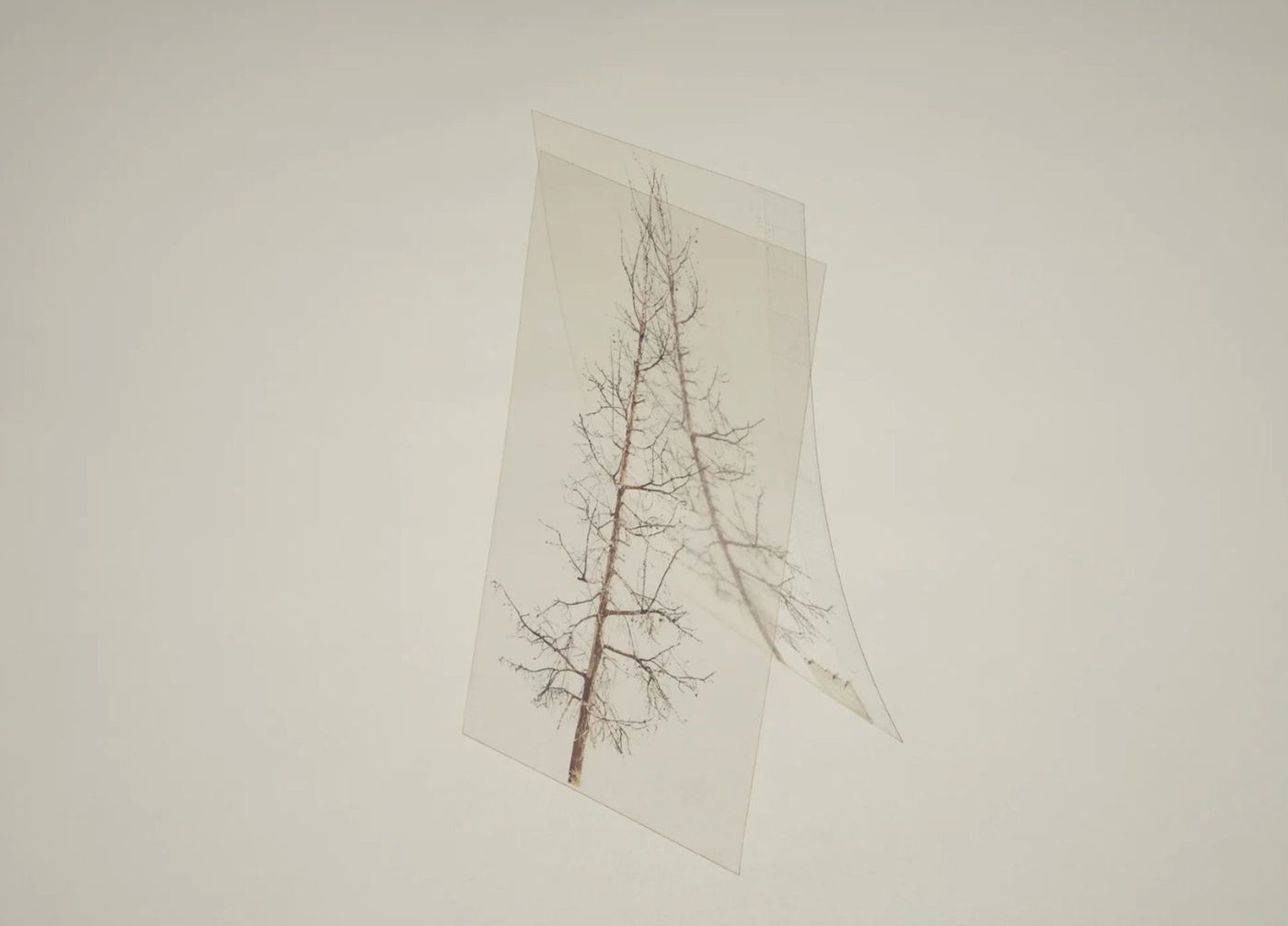
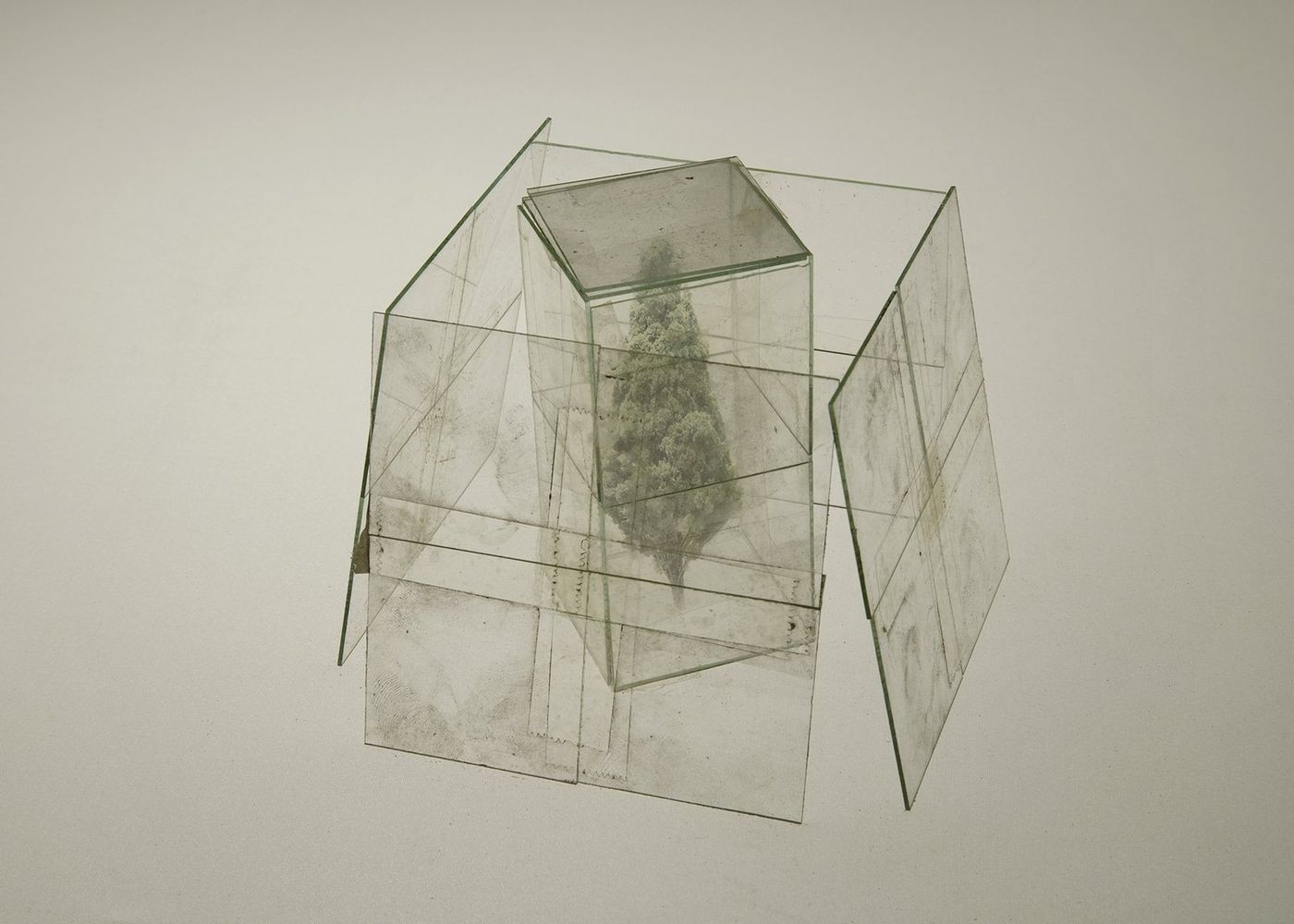
In Yuval Yairi’s Glasshouse photograph series, fragile cypress trees appear delicately held within equally fragile structures.
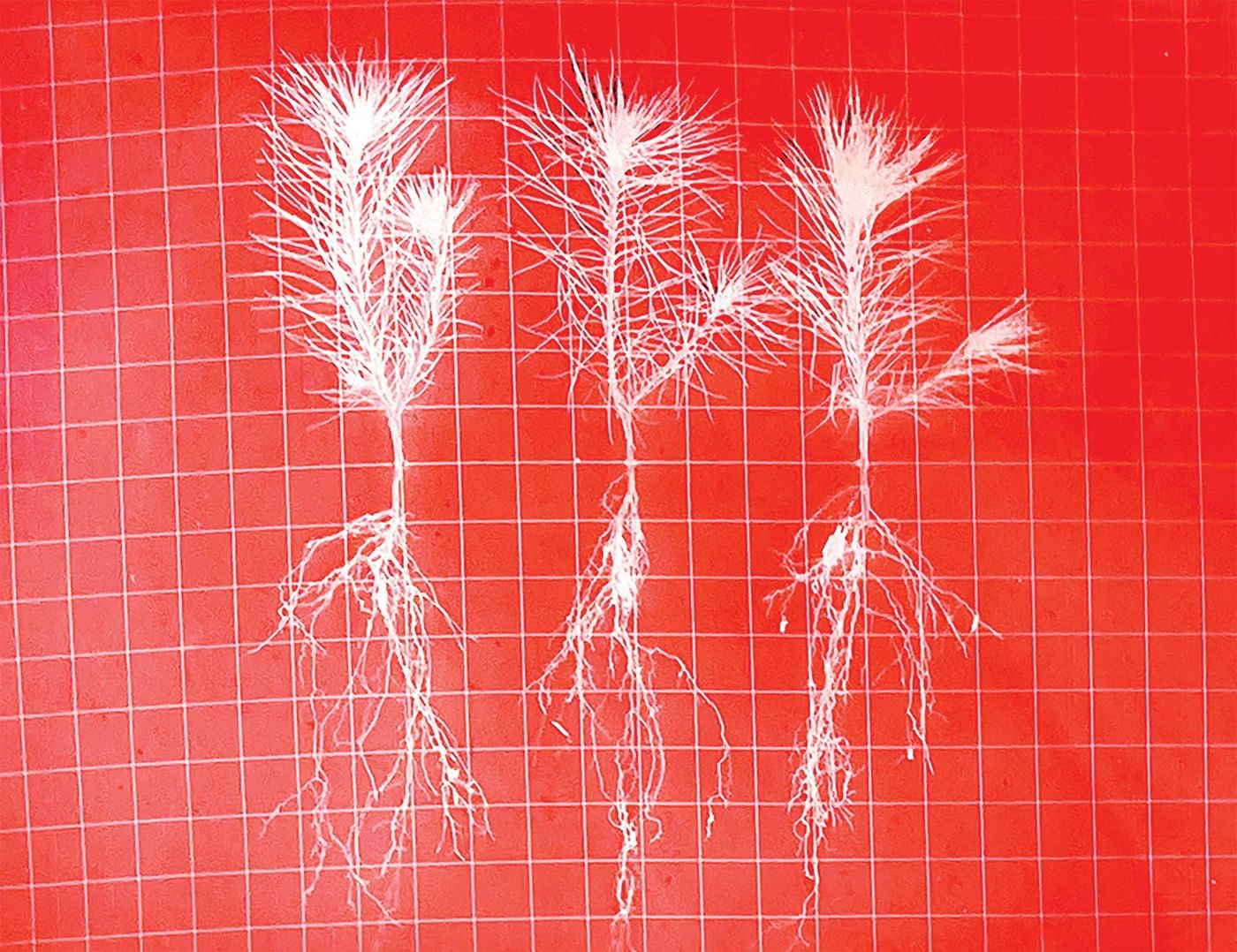
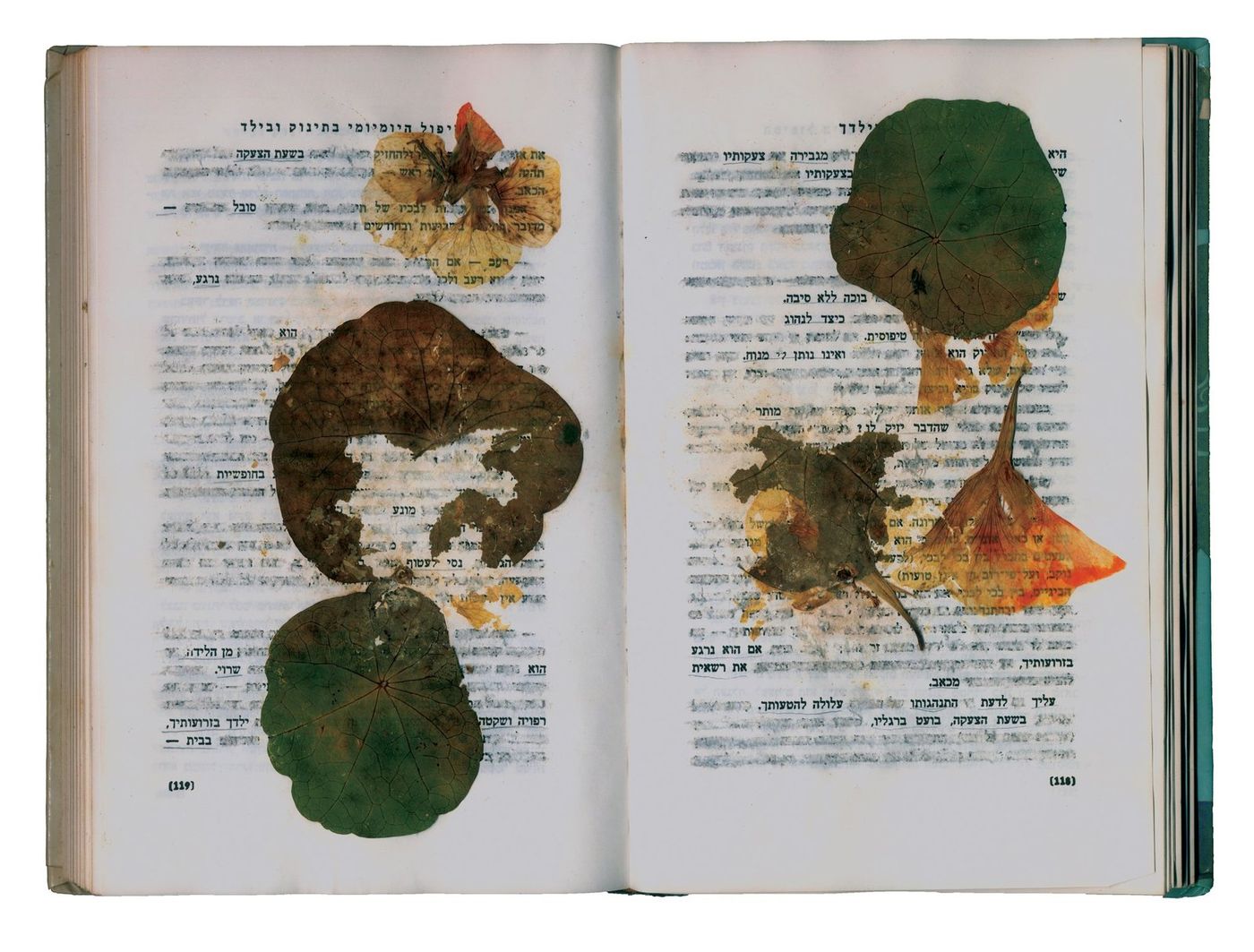
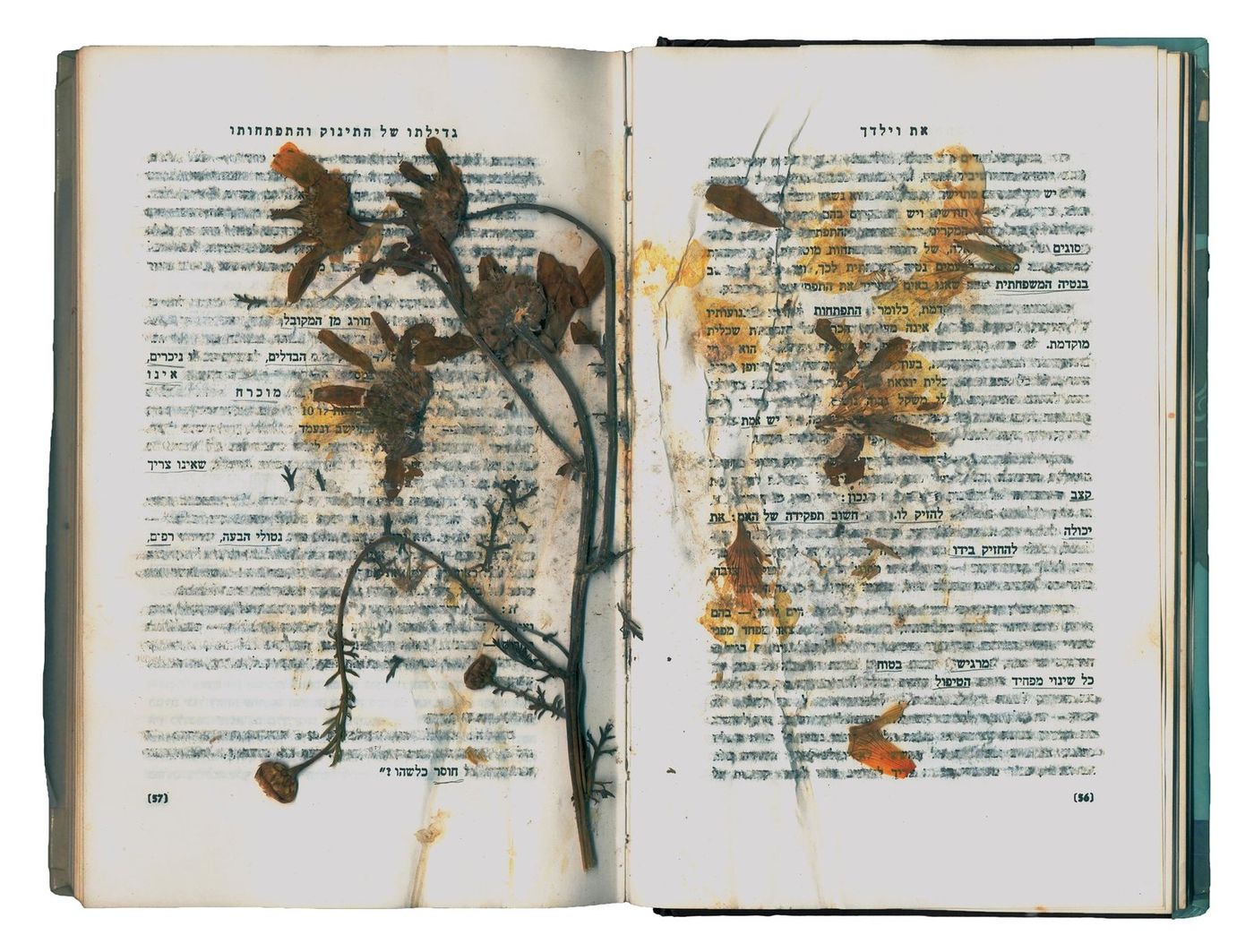
In Shani Avivi’s Pseudo Forest photographs, pine saplings from the Jewish National Fund (JNF) archive are isolated from the forest as a whole. In Coming to Writing, Avivi intervenes in spreads from a guidebook for mothers on childcare, using erasure, cutting, highlighting, and concealment. Flowers and fruits that have decayed over time serve as both material and imagery, disrupting the original text while creating a new, personal narrative.
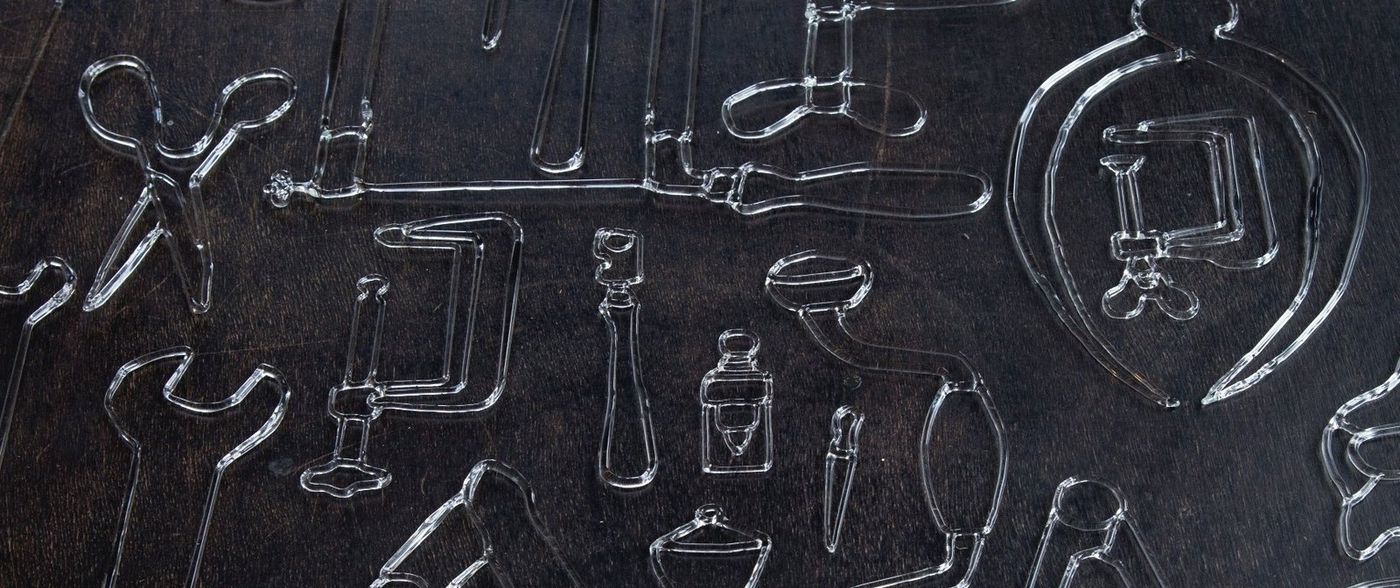
In Tools, Michal Harada recreates in glass the tools used by children at the Schneller Orphanage in Jerusalem, reflecting the educational ideal of craftsmanship and the belief that learning a trade and mastering a technique could offer a path toward healing and renewal.